




Harmony for All: A Community Celebration of Music
- This event has passed.
February 7 | 4:00 pm - 5:30 pm
Event Navigation
Youth are always free with discounts available for adults.
Any adult who needs a complimentary ticket can click here.
Dr. W.P. Sterneman III, Interim Music Director (biography)
Matthew Stiglich, Guest Conductor (biography)
Adalia Stiglich, Harp (biography)
Austin Soundwaves Chamber Ensemble:
Miranda Barajas-Arellano, Double Bass
Jordyn Broaders, Flute
Alfredo González Hernández, Violin
Andrew Salazar, Euphonium
Alexander Sutton, Clarinet/Bass Clarinet
Music has the power to inspire, unite, and uplift — and this program stands as a beautiful testament to the strength of artistic collaboration. With our volunteer civic orchestra led by our interim music director, joined by a guest conductor, a featured harp soloist, and the talented young musicians of Austin Soundwaves, this concert brings together artists across generations.
Together, we honor the impact of music education, celebrate community engagement, and revel in the shared joy of making music. We invite you to join us for an afternoon that reflects the very heart of our mission: connecting people through the transformative experience of live orchestral performance.
Location: Klett Performing Arts Center at Georgetown High School, 2211 N Austin Ave, Georgetown
Program:
Sixth Fanfare for the Uncommon Woman by Joan Tower
Adoration by Florence Price, arr. by Alexandra Dee/Gabriela Mora-Fallas
“American Quintet:” Finale from String Quartet Op. 96, by Antonín Dvořák, arr. by Steve Winstead/Gabriela Mora-Fallas
Austin Soundwaves Chamber Ensemble
Harp Concerto Op. 25, Mvmt. 3 by Alberto Ginastera, Adalia Stiglich, Harp
Matthew Stiglich, Conductor
Voices Shouting Out: A Symphonic Work by Nkeiru Okoye
Symphony No. 8 by Antonín Dvořák
Tickets will be available online or at the door.
Need financial assistance with tickets? Check out this page.
Please consider making a donation with your ticket purchase.
We keep costs low, so that more can enjoy the concert.
About the Program
Harmony for All: A Community Celebration of Music Program Notes
Sixth Fanfare for the Uncommon Woman - Across her enduring and celebrated career, Fanfare for the Uncommon Woman has become something of a calling card for composer Joan Tower. Each of her fanfares, which playfully riff on the name of Aaron Copland’s Fanfare for the Common Man, are dedicated to noteworthy women who are “risk-takers and adventurers.” Tower is often hailed as a trailblazer for women composers as an artist who started her career during the 1960s during an era when female names were not found as readily in the concert program. Along with composers like Ellen Zwilich, Tower is seen by many as part of a generation of composers who helped open up the symphonic world for more women who followed them, and Tower said she’s proud to be given that label. Tower’s Sixth Fanfare is dedicated to “the intrepid Hillary.” — Ricky O'Bannon
Adoration - With the re-discovery of Florence Price’s music in 2009, Price’s legacy in the form of manuscripts, letters, and personal items were uncovered in her abandoned summer home on the outskirts of St. Anne, Illinois. Her life, heavily researched by the musicologist Douglas Shadle, revealed a prolific composer of keyboard, chamber, and orchestral works, including two violin concertos, a teacher, mother, and an active participant in the National Association for Negro Musicians (NANM) and the National Federation of Music Clubs. The performance of her “Symphony in E-minor” with the Chicago Symphony Orchestra in 1933 is the first time any major orchestra had performed music composed by an African American woman.
Composed two years before her death in 1953, Price’s “Adoration” was originally written for organ. As the title suggests, the brief 3-minute work channels a sacred devotion common with liturgical hymnody. The form is ternary, beginning with a long meditative melody accompanied by a bed of harmony. A responsorial section leads to a richer, slower section that rises and falls in melodic contour, reaching its expressive peak. The work ends returning to the opening melody, cadencing the musical prayer in Amen. — Michael-Thomas Foumai
Dvorák String Quartet No. 12, “American”, Op. 96 - Antonín Dvorák produced 14 string quartets during his lifetime. Dvorák composed String Quartet No. 12, “American”, Op. 96 during the summer of 1893 while on vacation in Spillville in northeast Iowa, home to a Czech immigrant community. Dvořák sketched the quartet in three days and completed it in thirteen more days, finishing the score with the comment "Thank God! I am content. It was fast." The result is one of Dvorák’s most well-recognized works.
Fascinated by Native and African-American music, Dvorák mixed these new colors with his own musical background throughout this quartet. Many of the themes are derived from the pentatonic scale, a scale made up of five notes rather than the traditional eight-tone scale. The piece is also filled with an abundance of accented notes on off beats, also known as syncopation, as well as foot-tapping rhythms. The Finale, Vivace ma non troppo, is filled with energy and syncopated rhythms heard and above this rhythmic accompaniment, the melody sings freely.
Ginastera Harp Concerto - Alberto Ginastera was the leading Argentinian composer of the 20th century, arguably surpassed only by his onetime student, Astor Piazzolla. Early in his career, he developed a nationalist style of orchestral music—creating an imagined soundtrack for the Argentinian gaucho akin to what Aaron Copland did for the American cowboy. (Copland, in fact, mentored Ginastera at Tanglewood when he received a Guggenheim fellowship to study in the United States, and they remained friends.) Later, Ginastera became increasingly involved with experimental music, gradually shifting his style away from the one that first made him famous.
Ginastera’s Harp Concerto was commissioned in 1956 by Edna Phillips, the principal harpist of the Philadelphia Orchestra, and the first woman to be a member of that orchestra. She had been a student of Carlos Salzedo, the pedagogue and composer who revolutionized modern harp technique. Building on that tradition, Phillips was always looking for new works to expand her instrument’s repertoire.
Originally her idea was to premiere the concerto at the 1958 Inter-American Festival, which took place in Washington, DC, and featured composers from Canada down to Argentina. Ginastera, however, didn’t complete the piece in time (his String Quartet No. 2 was premiered instead), and he continued to delay until 1964. By that time, Phillips had retired from playing, and so the Philadelphia Orchestra premiered it the following year with the Spanish harpist Nicanor Zabaleta as soloist, conducted by Eugene Ormandy.
From the very beginning of the concerto, Ginastera seems determined to take full advantage of the harp, and to surprise listeners with its possibilities. The finale begins with a terrific harp cadenza introduced by six notes that echo the tuning of a gaucho’s guitar. The harpist offers a soliloquy filled with dramatic chords, runs, and murmurs. Finally, after nearly four minutes alone, the harp sweeps into a full-orchestra Vivace, filled with tuneful urgency and the driving malambo rhythm of Argentinian folkdance. — Benjamin Pesetsky, used by permission
Voices Shouting Out - The composer, educated at Oberlin Conservatory of Music, took her graduate degrees at Rutgers University. Brought up on Long Island as the daughter of an American mother and a Nigerian father, she is known for her compositions that reflect, not only subjects from the American Black experience, but also her African heritage, as well. She has taught in Nigeria and Ghana, and is interested in combining elements of non-Western and popular music styles with that of the Western “classical” tradition. Recent works have been inspired by iconic Black women in American history, Harriet Tubman and Phillis Wheatley. But, not to be pigeon-holed, she also is adept at composing in a wide variety of musical styles, and moreover, is a noted “soft sculpture” artist, widely recognized for her multi-cultural dolls.
“Voices Shouting Out” is a response to the tragedy popularly known as 911, but unlike many artistic responses, it is not a solemn, and grieving exploration of that terrible event which changed forever American definitions of freedom and security. The composer relates that initially her intent was, indeed, to compose in grief, but she simply could not find the voice to do so. Rather, what ensued was a voice of affirmation, a reflection of a determination to move ahead in confidence and unity as a people. This is an artist’s statement of the necessity of national optimism in the midst of profound challenges. In her words, “It was a march to acknowledge those fighting on behalf of our safety, and yet a sparkling celebration of life for those who continue living.” “Voices Shouting Out” was begun on New Year’s Eve, 2001 and given its première in February 2202 by The Virginia Symphony. — © 2015 William E. Runyan
Dvorák Symphony No. 8 in G Major, Op. 88 - By 1884, Antonín Dvorák was an internationally celebrated composer, renowned not only for his smaller works, but, following the success of his Symphony in d minor, as a symphonist as well. Upon returning home from another fruitful trip to England, his now solid financial position gave him the resources to realize one of his fondest dreams. He purchased Vysoká, a simple country home with a music room, surrounded by hills and forests where he wrote of experiencing peace and happiness. It was at this quiet retreat in the fall of 1889 that he composed his most Czech symphony, the Symphony No. 8 in G Major. Dvorák conducted the premiere in Prague on February 2, 1890. It is sometimes known as the "English Symphony," not because of any subject matter, influence or dedication, but because of a quarrel with his German publisher Simrock. Because the publisher only anticipated significant profit from the smaller works (such as the popular Slavonic Dances), Simrock was not interested in the composer’s large-scale efforts and offered Dvorák a mere pittance for the symphony. As a result, Dvorák broke his exclusive contract with Simrock and accepted a more appropriate offer from the English firm Novello. Contrasted with the cool treatment that the “Czech Nationalist” had received from the German/Austrian musical establishment, Dvorák was enormously popular in England and was granted an honorary doctorate by the University of Cambridge in June of 1891. Instead of presenting a thesis, he conducted performances of the G Major Symphony and his Stabat Mater at the ceremony. The composer conducted another notable early performance of the symphony for Czech Day at the 1893 Chicago World's Fair.
Although sometimes overshadowed in popularity by the New World Symphony, this work, a walk through the Bohemian countryside, represents the best of optimistic late 19th century symphonic writing. The first movement begins with a solemn cello melody which makes way for the introduction of the main theme on the flute. The second movement, full of contentment, gives us a picture of village life, complete with the sounds of birds and a flowing mountain stream. The village band even makes an appearance. The third movement is not an energetic scherzo (or even a Czech Furiant) but a graceful waltz full of melodic charm. The sudden change to the rustic dance of the trio section (the tune borrowed from his opera The Stubborn Lovers) and the coda, driving to the end at double speed, recall the beloved Czech dance, the Dumka. A trumpet call introduces the fourth movement; variations on a stately march theme evoking rustic festivities bring the symphony to a rousing conclusion. — Linda Mack, Denver, CO, used by permission
About the Artists
 Dr. W.P. Sterneman III, Interim Music Director
Dr. Gus, as he is affectionately known, earned his Doctorate in Opera/Musical Theatre Conducting at Arizona State University where his dissertation focused on Benjamin Britten as a conductor and musical interpretation and his Master’s degree at Butler University in Indianapolis with a double major in Instrumental Conducting and Music History. He also holds a Bachelors of Music in Music Theory from Southwestern University.
Dr. Gus has been on staff with the Austin Civic Orchestra since 2014, currently serving as their Interim Music Director, having also previously performed with the ensemble in the horn section from 2002-2007. In addition to conducting the educational concert, Link-Up, and the Austin ISD Music Memory Contest, Dr. Gus leads the annual outdoor Pops Concert in June and the Great Masked Waltz Ball for the University of Texas Ballroom Dance Society.
Dr. Gus joined the staff of Abiding Love Lutheran Church in South Austin in 2021 as their Director of Worship and Arts, overseeing all aspects of the music program, worship planning, and media technology. In addition to leading the Sanctuary Choir in weekly service, Dr. Gus occasionally joins the band Mixed Blessings on guitar, and directs the biannual Cantata Choir and Orchestra, recently having led Handel’s Messiah and John Rutter’s Requiem.
From 2018-2024, Dr. Gus served as the Music Director for the Heart of Texas Chorus, an acappella barbershop chorus in San Marcos, and worked as an active clinician with the Barbershop Harmony Society.
Dr. Gus has conducted a variety of ensembles from small chamber groups to full size orchestras, and has worked with ensembles from middle school through collegiate, amateur, and professional organizations on three continents. He has conducted orchestras, opera and musical theatre productions, wind ensembles, and choral organizations. In 2013, he received an AriZoni Award nomination for Best Music Direction in a Non-Contract Theatre for Little Women: The Broadway Musical at Arizona State University.
A strong advocate for technology in the classroom, Dr. Gus has taught music technology courses at multiple universities, and has been actively involved with the Association for Technology in Music Instruction (ATMI), where he presented a paper on OpenSource music notation software in 2010.
Dr. Gus spends his free time playing tabletop games with his wife, teaching his two children the finer points of musical theatre, and practicing his passion for lutherie and painting miniatures. He feels Menotti is the epitome of English text setting, but always comes home to Beethoven. He enjoys a good pun, but loves a really bad one. And coffee. Lots of coffee.
Austin Soundwaves Chamber Ensemble
Competitively selected by the Austin Soundwaves faculty, these students receive scholarship support from the ACO’s Pearl Amster Memorial Endowment Fund.
- Miranda Barajas‑Arellano, Double Bass — Senior, Founders Classical Academy of Leander
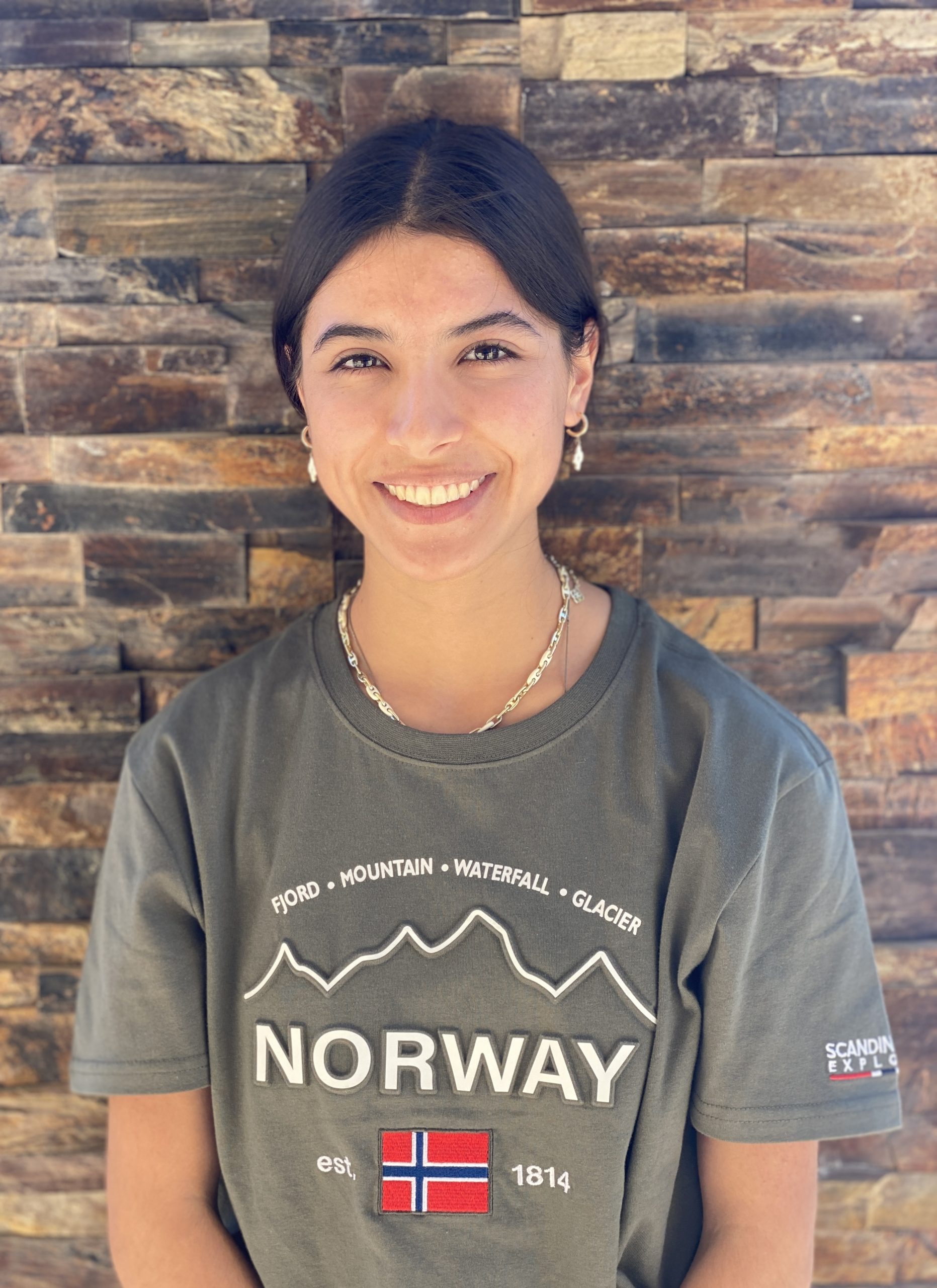
- Jordyn Broaders, Flute — Senior, Austin Achieve High School
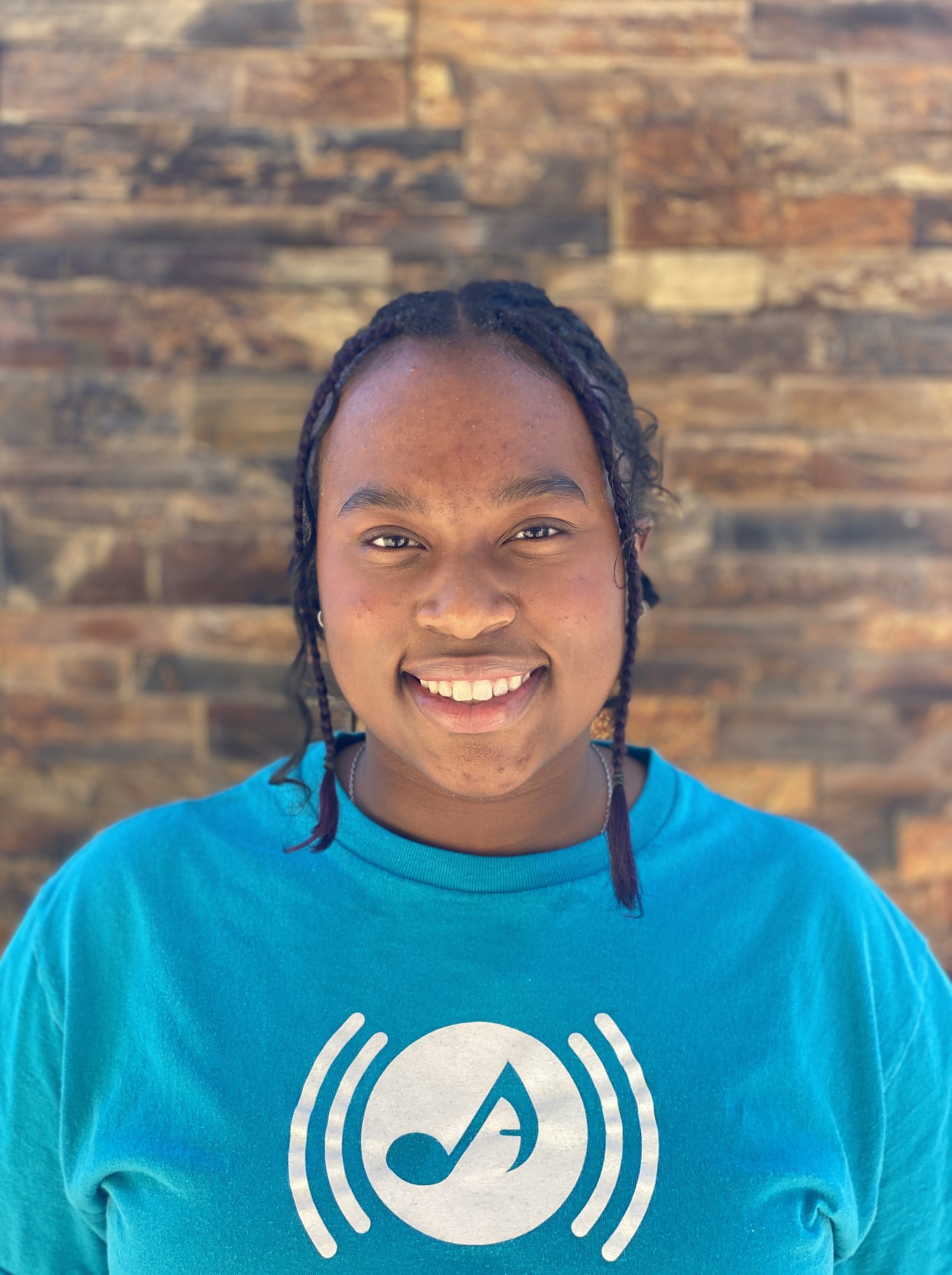
- Alfredo González Hernández, Violin — Junior, McCallum Fine Arts Academy
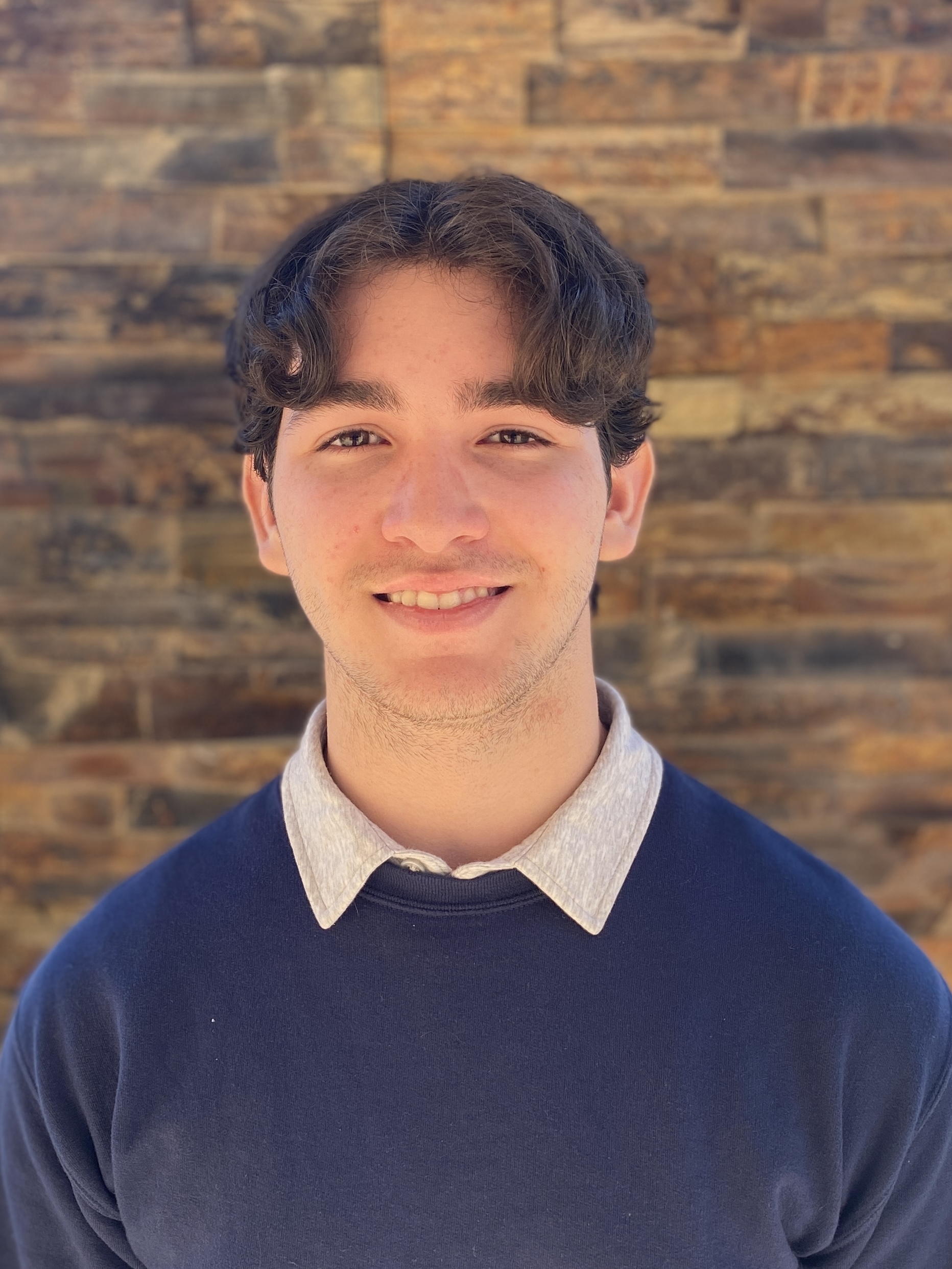
- Andrew Salazar, Euphonium — Senior, Austin Achieve High School
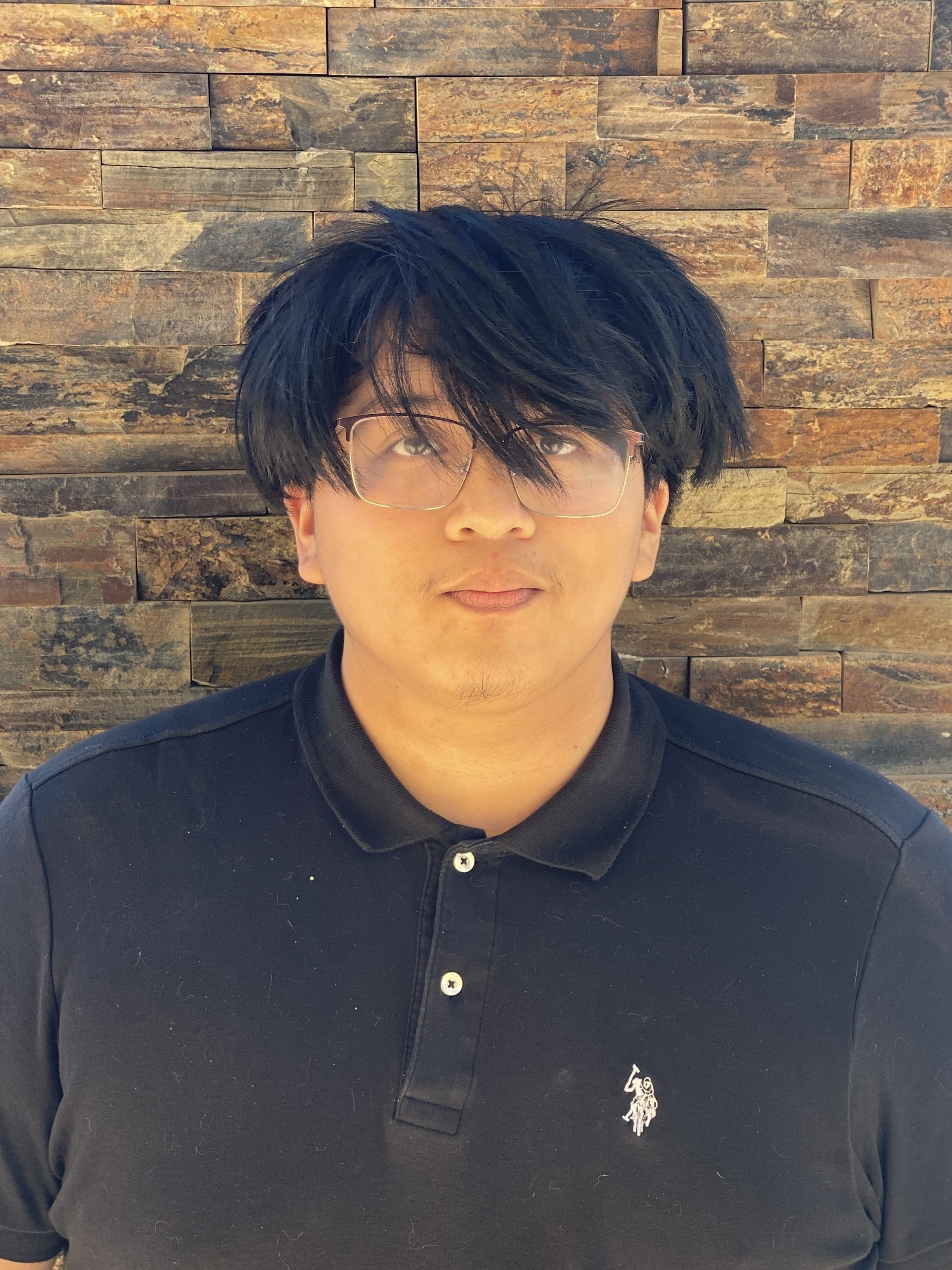
- Alexander Sutton, Clarinet/Bass Clarinet — Senior, St. Andrew’s Episcopal High School
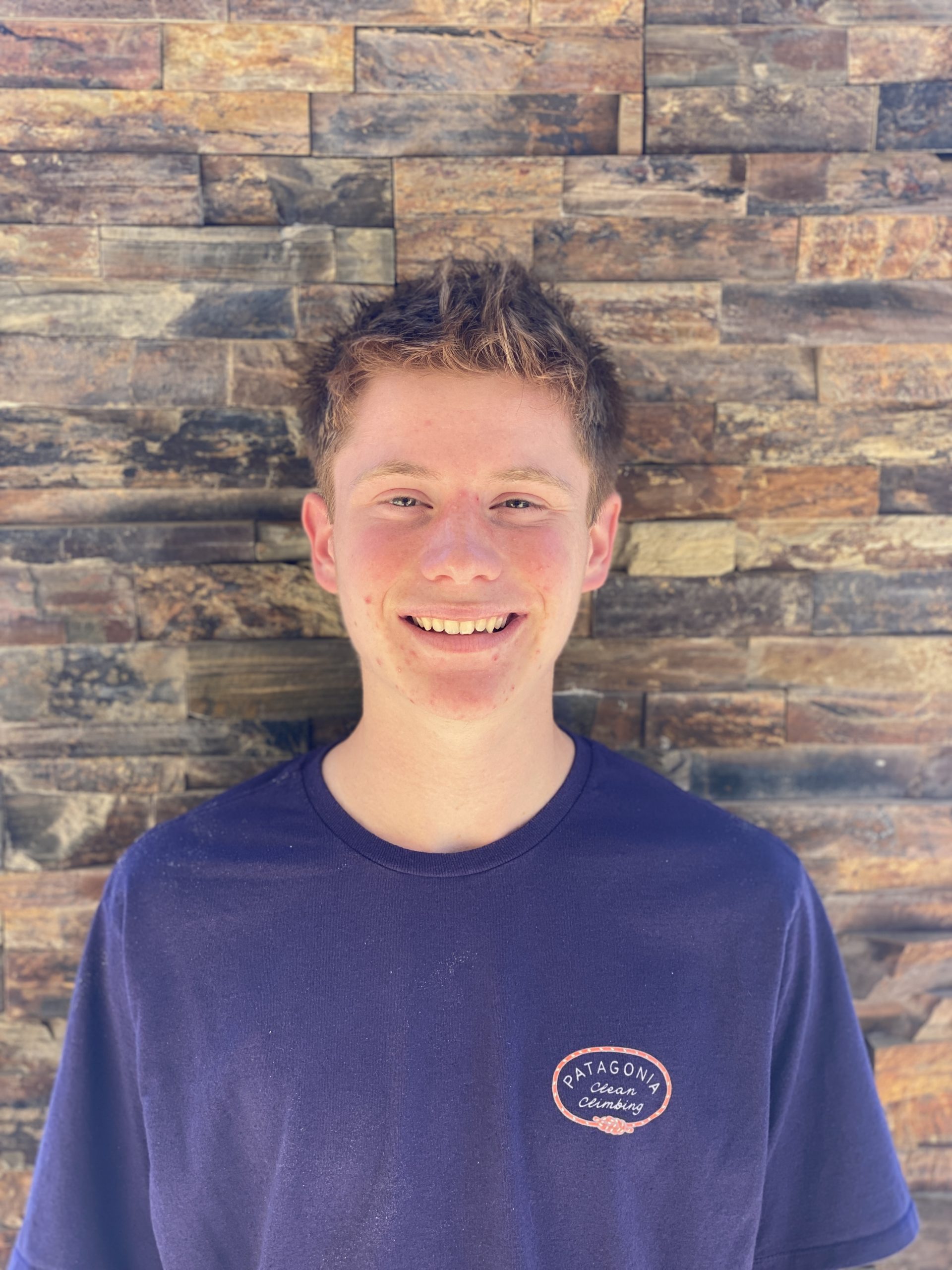
The ensemble was coached by Dr. Gabriela Mora‑Fallas, Austin Soundwaves Teaching Artist and Ensemble Specialist.
Matthew Stiglich, Guest Conductor
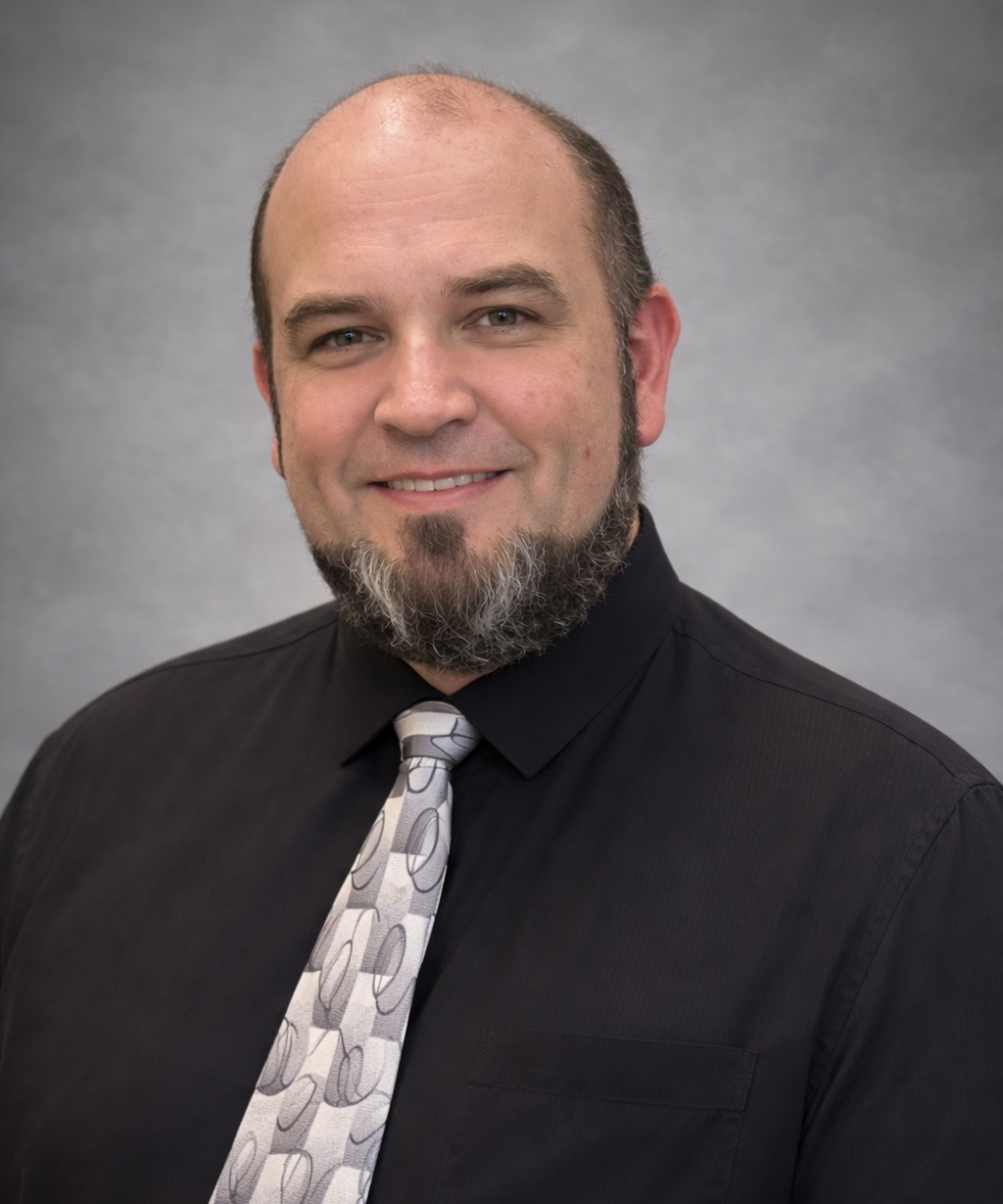
Matthew Stiglich is an accomplished conductor, music educator, and instrumentalist with more than two decades of experience leading instrumental and vocal ensembles in Texas and California. He currently teaches at Founders Classical Academy of Leander, where he directs the middle and high school orchestras and teaches music history and appreciation.
His teaching career spans elementary through high school, including online instruction for grades 6–12, and he has built comprehensive band, orchestra, and choir programs featuring jazz band, marching band, chamber orchestra, and musical theatre. As a conductor, he has appeared with collegiate and community ensembles including CSU Fresno, Victor Valley College, Joshua Tree Symphony Orchestra, and Moreno Valley Winds. He holds a Master of Music in Music Education with a Conducting Emphasis from Colorado State University and a Bachelor of Arts in Music Education from California State University.
A versatile bass trombonist and tubist, Stiglich has performed with orchestras, bands, musicals, jazz ensembles, an opera company, the Disney All‑American College Band, and alongside artists such as Rosemary Clooney, Marvin Hamlisch, and Jiggs Whigham. He remains active in the Austin music community through The Austin Brass Band, Cedar Park Winds, and various gigging groups, and continues to enrich the musical arts as a conductor, performer, and mentor.
Adalia Stiglich, Harp
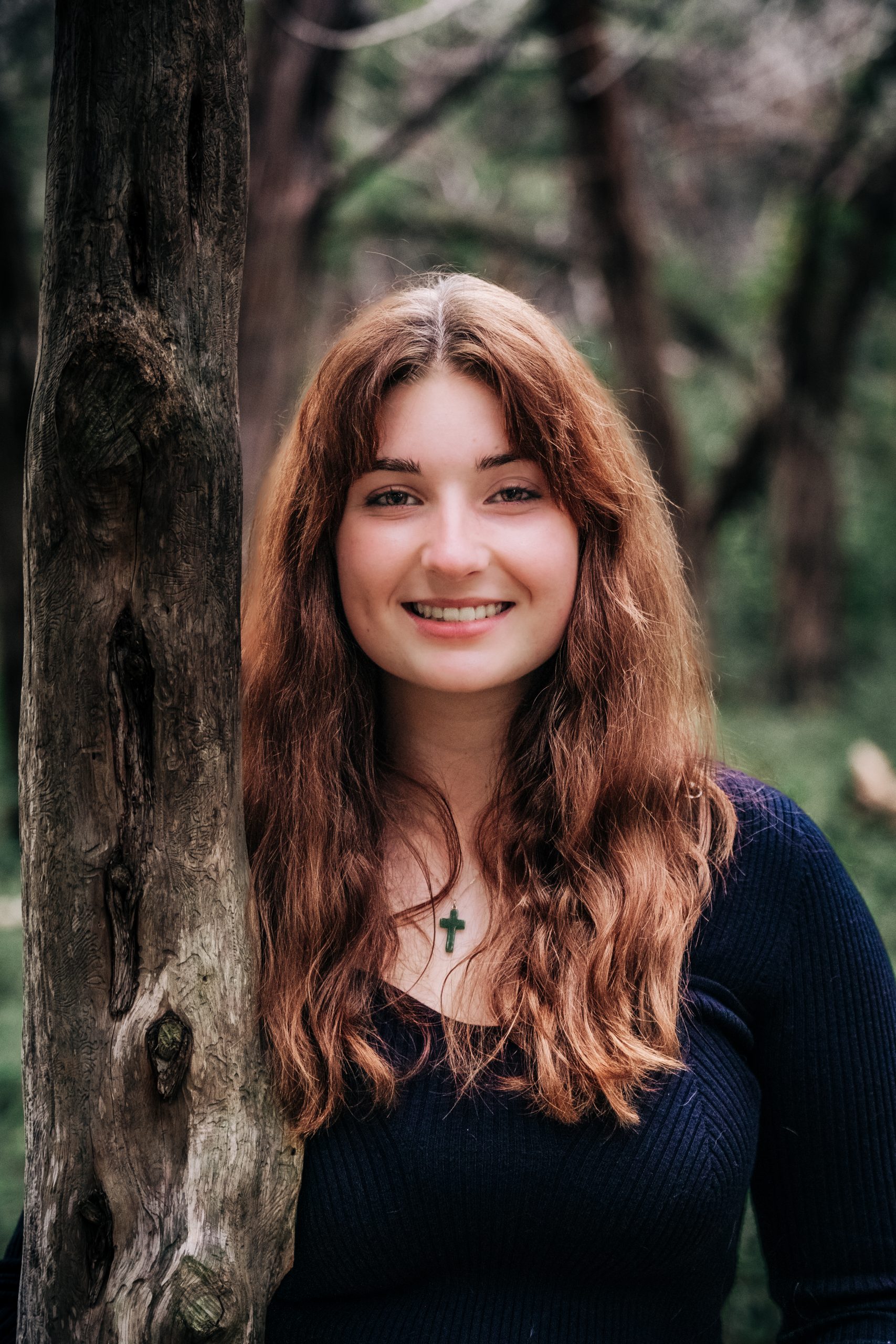
Adalia Stiglich is currently an undergraduate sophomore at Indiana University Bloomington, pursuing a double major in Harp Performance and Molecular Life Sciences. She studies under Professor Elzbieta Szmyt and is a recipient of the prestigious Jacobs Scholarship. At IU, she performs regularly with several university ensembles, including the Wind Ensemble and the Harp Ensemble, and recently appeared with the Round Top Festival Orchestra during its 2025 season.
Originally from Cedar Park, TX, Adalia was one of the only harpists to progress through the Leander Independent School District and built a distinguished musical foundation at Cedar Park High School, where she excelled in harp. Her accolades include selection to the TMEA All-State ensembles (2021–2024) and the Austin Music Club Maurer Award. Adalia aspires to a professional career performing with a major symphony orchestra.
ACO Concert Roster
Violin 1
Carolyn Richards-Chacon, Concert Master
Raymundo Garcia, Assistant
Samantha Chavira
Raymond D'Alessio
Erika Elder
Laura Jacobs
Vivian Kwong
Leianna Pavon
Lynn Petro
Dawn Smith
Sol Swords
Violin II
Dario Landazuri, Principal
Kyle Bryson, Assistant
Deb Byers
Ferris Duhon
Andrew Goolsbee
Adam Montenegro
Evan Nave
Kassandra Rocha
VIOLA
Eugene Gott, Principal
Brett Osburn, Assistant
Justin Anderson
David Kaplan
Mark Leger
Jared Lomangino
Art Monzingo
Dean Roberts
William Satterfield
Amanda Tofflemire
Ronda von Sehrwald
Paul Zagieboylo
VIOLONCELLO
Jarrod Tuikka, Principal
Tani Barr, Assistant
Ben Bachmeier
Brigid Dever
Jacob Lambert
Henry Nachman
Apolinar Romero
Isabel Tweraser
John Whitney
DOUBLE BASS
James Sproat, Principal
Garrett Jaynes
Louis Handy
Alana Lopez
Noah Miller
FLUTE
Brian Teran, Principal
Anna Coogan
Marcia Gillespie-Norder, Piccolo
OBOE
Madeline Warner, Principal
Trish Olives
CLARINET
YuHua Oliphint, Principal
Laura Gorman
Luis Corpus, Bass Clarinet
BASSOON
Amy Crandell, Principal
Melissa Vauk
HORN
Christine Simpson, Principal
Alyssa Collins
Kathy Nolen
Denise Stiglich
TRUMPET
Jose Yznaga, Principal
Randy Howard
Rick Kutcher
TROMBONE
Ross Ganske, Principal
Jesse Nolen
Christian Lopez, Bass
TUBA
Ethyn Evans
PIANO/KEYBOARD
Lan-Thach Kratzke
HARP
Amy Frazier
TIMPANI
Alan Smith
PERCUSSION
Paul Robertson, Principal
Matt Garcia
Kyle Garza
Jaxon Jedel
Collin Tracy
About the Austin Soundwaves/ACO Collaboration
Chamber Music Scholarship Program
This concert marks the second year of the Chamber Music Scholarship Program, a collaboration between the Austin Civic Orchestra and Austin Soundwaves.
Austin Soundwaves serves nearly 2,000 young musicians across the greater Austin area each year through more than 40 school partnerships and community programs, providing access to high‑quality music education for learners of all ages, backgrounds, and experiences.
The Chamber Music Scholarship Program offers post–high school financial assistance to current high school students through a scholarship held by the ACO and funded by the Austin Community Foundation. This year’s ensemble of five student musicians was selected by Austin Soundwaves staff through a competitive application and interview process. The group met monthly for rehearsals and received coaching from Dr. Gabriela Mora‑Fallas.
Tonight’s performance represents the culmination of their work together, with additional public performance opportunities offered by Austin Soundwaves throughout the year. In addition to their ensemble participation, selected students were also invited to take part in Austin Soundwaves community programs.
Family Connections in the ACO
Family Connections in the ACO
When the Austin Civic Orchestra opened its 2025–26 season, audiences witnessed the first part of a rare double debut. Bass trombonist Elizabeth Simpson performed on the Musical Tales concert on September 27, and during this Harmony for All concert, harpist Adalia Stiglich makes her solo debut with the ACO. Both young musicians perform alongside their mothers—sisters who play horn in the orchestra—creating a remarkable family connection seldom seen on the concert stage. Tonight’s performance adds yet another layer: Matthew Stiglich, Adalia’s father, conducts the work that features his daughter.
Both Adalia and Elizabeth grew up in deeply musical households where rehearsals, performances, and instruments were part of everyday life, and where their mothers served as both role models and active partners in their musical journeys.
Adalia & Denise Stiglich
For Adalia Stiglich, the harp became a dream at age seven after she first saw the instrument in an orchestra concert. She laughs now about a stretch in middle school when she “hated the harp,” but credits her mother, Denise, for encouraging her to persevere and for modeling the balance of hard work and humility that defines her approach today.
This season, Adalia showcases the harp’s brilliance and expressive range in the third movement of Ginastera’s Harp Concerto on Saturday, February 7. As with her cousin Elizabeth’s debut, Adalia’s mother and aunt will be performing in the horn section during her appearance.
A member of the ACO horn section since 2018, Denise has supported every step of Adalia’s musical growth—from outgrowing her first harp in just two years, to earning TMEA All-State honors four years running, to competing on both harp and euphonium, and now pursuing a Music Performance degree at Indiana University.
Denise reflects on the experience of sharing the stage with her daughter:
“It’s not just about making music, but about deepening our bond in a really special way.” She admires Adalia’s drive, resilience, and “nerves of steel.”
Adalia, in turn, speaks with deep admiration for her mother:
“I don’t think I know anybody who works harder than her… she’s such an amazing role model, you have no choice but to try and follow her.”
Their family music-making often turns into joyful chaos—brass ensemble rehearsals during the holidays, harp‑and‑horn duets that spark laughter, and shared performances at church and community events.
Civic Organizations & Families
Stories like these highlight why civic ensembles such as the ACO matter so deeply. These orchestras create intergenerational spaces where professional musicians, students, educators, and passionate amateurs share the stage. For families, they become more than rehearsal schedules and concert dates—they are places where parents model dedication and artistry, and where children grow into confident musicians alongside the very people who inspired them.
In the Simpson and Stiglich families, music is a thread connecting children, parents, and grandparents—including Elizabeth and Adalia’s 95‑year‑old great‑grandmother, who they hope will attend. Civic performance groups help sustain that thread by offering high‑level musical opportunities at every stage of life and by giving audiences the chance to witness the joy, commitment, and lifelong pursuit of making music together.
Thank you to the following business that support the Austin Civic Orchestra:



This project is supported in part by a grant from the Texas Commission on the Arts and and an award from the National Endowment for the Arts.